
Introduction to Metal Conveyor Belts
Release time:
2026-05-21
These belts are typically manufactured from metallic materials—such as stainless steel or carbon steel—and feature a specific woven structure designed to provide inherent strength.
The primary applications of metal conveyor belts include:
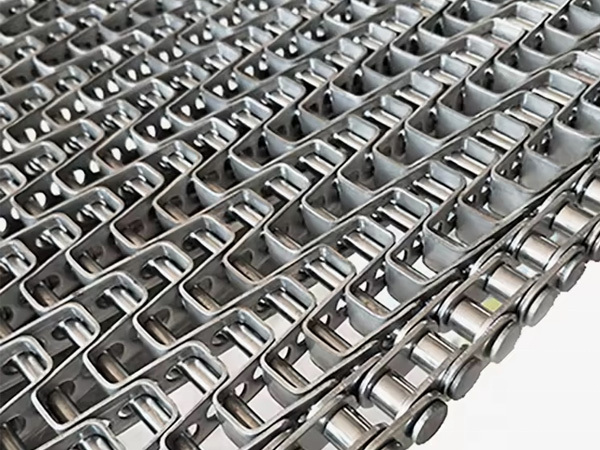
1. Material Transport: In industrial production settings, they are utilized to convey various types of materials, including ores, coal, grains, and manufactured parts. For instance, in mining operations, extracted ores are transported via metal conveyor belts to designated locations for processing.
2. Assembly Line Operations: Within manufacturing assembly lines, they facilitate the transfer of products from one processing stage to the next, thereby enhancing production efficiency. A common example is the conveyance of vehicle body components on an automotive assembly line.
3. High-Temperature Conveyance: These belts are capable of operating effectively in high-temperature environments, enabling the transport of materials that have undergone thermal processing. For example, in cement plants, they are used to convey cement clinker immediately after it has undergone high-temperature calcination.
Metal conveyor belts offer the following key characteristics and advantages:
High Strength: They possess the capacity to withstand significant loads and tensile forces, thereby ensuring the stability and reliability of material transport.
Wear Resistance: Designed to resist damage caused by friction during prolonged use, they offer an extended service life.
Good Air Permeability: For materials that require ventilation or drying, the open mesh structure facilitates effective airflow and circulation.
Latest News
CONTACT US
Tel : +8618563755235
E-mail : sale@cnsdgroup.com
WhatApp : +8618563755235
Add : Room2306,Wanda Office Building J1, 57 Industrial South Road, High Tech Zone,Jinan City,Shandong province,China.


GET A FREE QUOTE
Copyright : Shandong Shengda Machinery Equipment Co.,Ltd. Powered by : 300.cn jinan2 Seo Business License
